

Annuity Ladder Strategies: How Laddering Annuities Works for You
What Annuity Laddering for Retirement Actually Means (And Why It Matters)
Annuity laddering for retirement is a strategy where you split your savings into multiple annuities with different start dates or maturity terms — instead of putting everything into one contract at one rate.
Here is how it works at a glance:
- Divide your retirement savings into separate portions (for example, three equal amounts)
- Purchase annuities with staggered terms — such as 3-year, 5-year, and 7-year contracts
- Benefit from multiple entry points, so you are not locked into a single interest rate
- Access maturing funds at regular intervals to reinvest, spend, or reposition
- Layer income by staggering when payouts begin — for example, at ages 65, 70, and 75
This approach may help manage interest rate risk, create more predictable cash flow, and give you more flexibility than a single annuity purchase typically allows.
One challenge many retirees face is timing the market — buying an annuity when rates happen to be low can limit income for years. Laddering is one way to reduce that pressure. Rather than making one all-or-nothing decision, you spread your purchases over time and across multiple contracts, which can allow later portions to benefit from potentially higher rates.
It is worth noting upfront that annuity laddering is not a one-size-fits-all solution. Whether it makes sense depends on your income needs, timeline, tax situation, and overall financial picture. This guide walks through how the strategy works, who it may suit, and what to watch out for.
I’m Scott Lunsford, founder of The Lunsford Agency in Chillicothe, Ohio, with over 35 years of experience helping retirees and pre-retirees build reliable income using fixed and tax-deferred annuity strategies — including annuity laddering for retirement. In the sections ahead, I’ll break down how laddering works in plain terms so you can decide whether it belongs in your retirement plan.
Illustrative only; rates/terms vary by carrier, age, health, and Ohio regulations.
Related content about annuity laddering for retirement:
Introduction to Ohio Burial Insurance

While many of our conversations focus on annuity laddering for retirement, we often find that Ohio seniors are equally concerned about protecting their families from immediate final expenses. Burial insurance, often called final expense insurance, is a small whole life policy designed to cover costs like funeral services, medical bills, or small debts.
Unlike complex investment products, burial insurance typically requires no medical exam. It offers permanent protection for Ohio residents, meaning the policy generally stays in force as long as premiums are paid. This provides financial peace of mind, knowing that your loved ones won’t have to scramble for funds during a difficult time.
Core Definition: What is Ohio Burial Insurance?

Ohio burial insurance is a specific type of whole life insurance. Its primary goal is to provide a modest death benefit, typically ranging from $5,000 to $25,000, to cover final arrangements. Because it is whole life, the premiums are typically level and locked in once the policy is issued.
For those exploring Annuity Information, it is helpful to contrast these tools. While annuities focus on providing income during your life, burial insurance focuses on the legacy you leave behind. Both can be essential parts of Services/Annuities Ohio, helping to create a complete financial safety net.
Policy Types and Eligibility in Ohio
When shopping for final expense coverage in Ohio, you will typically encounter two main paths to eligibility. The right choice often depends on your current health and how quickly you want full coverage to begin. Approval is subject to carrier rules, age limits, and state availability.
| Feature | Simplified Issue | Guaranteed Issue (eligibility depends on carrier rules) |
|---|---|---|
| Medical Exam | Typically None | Typically None |
| Health Questions | Yes | Limited (depending on the carrier and policy) |
| Waiting Period | Typically Immediate | 2-Year Graded Benefit |
| Typical Rates | Often Lower | Often Higher |
illustrative comparison only
Illustrative only; rates/terms vary by carrier, age, health, and Ohio regulations.
Simplified Issue Life Insurance
This is a common path for seniors in relatively good health. While no medical exam is often necessary, the carrier will ask a few health questions. If approved, coverage typically begins on day one. Coverage amounts depend on the carrier and policy, but many Ohio residents find this an affordable way to secure permanent protection.
Guaranteed Issue Life Insurance (eligibility depends on carrier rules)
If you have significant health challenges, guaranteed issue life insurance may be an option. Eligibility depends on carrier rules rather than health history. These policies typically include a 2-year graded benefit. If a natural death occurs within the first two years, the carrier usually refunds the premiums plus interest. After two years, the full death benefit is payable.
The Ohio Funeral Context: Why Coverage Matters

Why do we emphasize these $5,000 to $25,000 policies? Because the cost of passing away in Ohio is significant. Average burial costs in Ohio often exceed $8,000 (Source: National Funeral Directors Association), and even cremation costs typically run in the thousands once you factor in the service and urn.
Contrast these costs with the Social Security lump-sum death benefit, which is currently only $255 for eligible survivors (Source: SSA.gov). This gap can leave families in a financial bind. By integrating burial insurance into your Services/Supplemental Retirement Plans Ohio, you ensure that your “retirement income” stays with your spouse rather than being drained by funeral bills.
Consumer Protections for Ohio Residents

Ohio residents benefit from strong consumer protections. The FTC Funeral Rule, for example, allows you to choose only the goods and services you want and requires funeral homes to provide price lists.
Furthermore, Ohio law provides a “free-look” period, typically ranging from 10 to 30 days. This allows you to review your policy and return it for a full refund if you change your mind. When choosing a carrier, we typically look at their claims-paying ability to ensure they will be there when your family needs them. You can find more details in our category/annuities section, where we discuss carrier stability.
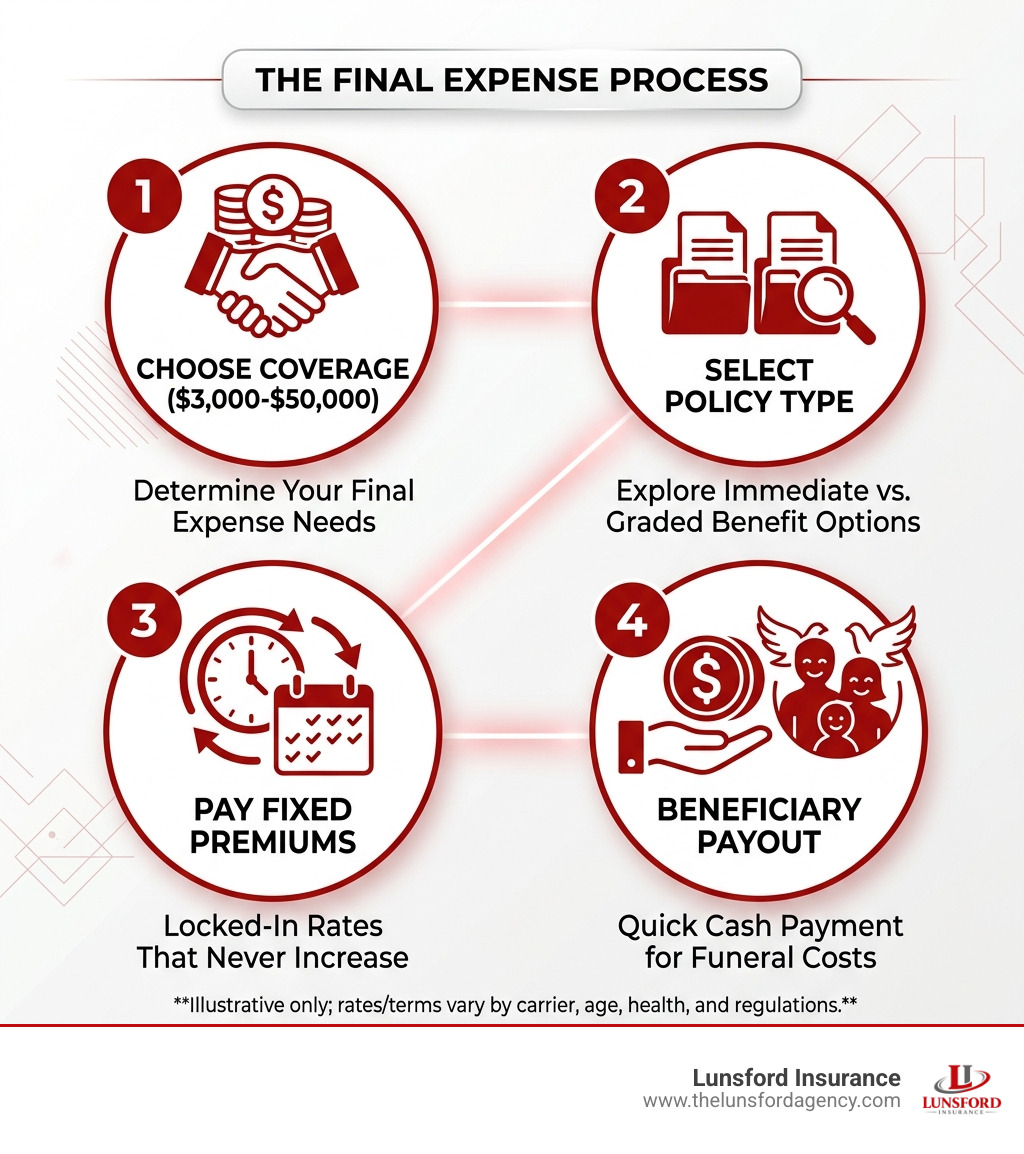
4-Step Buying Guide for Ohio Seniors
Planning for final expenses doesn’t have to be overwhelming. We recommend this simple approach:
- Determine your final expense needs: Estimate the costs of your preferred service (burial vs. cremation) and any small remaining debts.
- Compare Ohio burial insurance options: Work with a broker to look at multiple carriers. Rates are influenced by age, gender, and tobacco use.
- Select a policy that fits your budget: Ensure the premium is something you can comfortably pay for the long term, as these are permanent policies.
- Designate your beneficiaries: Clearly name who should receive the funds to handle your arrangements.
Understanding these steps is as vital as knowing the Annuity Vs 401K Ultimate Guide To Choosing For Retirement when it comes to total household security.
Payout Speed and Claims Process
One of the biggest advantages of final expense insurance is the speed of the payout. Unlike a house or a complex estate that can be tied up in probate for months, life insurance is designed to be liquid. many carriers process claims quickly once documents are received. This allows beneficiaries to receive funds for immediate expenses, preventing them from having to use credit cards or high-interest loans to pay the funeral home. For more on coordinating these payouts with your estate, see our Services/Financial Planner Ohio page.
Frequently Asked Questions about Ohio Burial Insurance
What is the typical coverage limit for burial insurance?
Most policies for Ohio seniors range from $5,000 to $25,000. This is usually enough to cover a standard funeral and some minor final medical bills.
Are there medical exams required for Ohio seniors?
Typically, no medical exam is required, though this depends on the carrier and policy. Most final expense policies use “simplified issue” (health questions only) or “guaranteed issue (eligibility depends on carrier rules)” underwriting.
How quickly are claims typically paid out?
While it varies by carrier, many carriers process claims quickly once documents are received, often within a few days to a couple of weeks after receiving the completed claim forms and death certificate.
Conclusion
At Lunsford Insurance, we believe retirement planning is about more than just numbers on a screen; it’s about the people you love. Whether we are discussing annuity laddering for retirement to secure your income or burial insurance to secure your legacy, our goal is to provide expert, personalized brokerage.
As a local agency in Chillicothe, Ohio, we have strong carrier connections that allow us to find affordable, no-exam policies that fit your unique situation. We invite you to compare Ohio burial insurance options and find coverage that fits your budget. If you’re ready to look at the bigger picture, our Services/Financial Planner Ohio team is here to help you coordinate every rung of your financial ladder.