

How to Find Senior Housing in Ohio
How to Find Affordable Senior Housing in Ohio
For seniors exploring options for affordable senior housing in Ohio, understanding how to navigate the state’s housing resources is a key step in planning. Finding a safe, comfortable, and budget-friendly place to live is essential for long-term peace of mind.
Whether you are looking into senior insurance options in Ohio to protect your assets or engaging in retirement planning for Ohio seniors, aligning your housing needs with your financial strategy is crucial.
I’m Scott Lunsford, owner of The Lunsford Agency in Chillicothe, Ohio. With over 35 years of experience in insurance and financial services, I help Ohio seniors navigate their retirement options. In this guide, we will focus on how to find low-income senior housing Ohio options, understand eligibility requirements, and access local resources to secure your future.
Types of Affordable Senior Housing and Eligibility in Ohio
When planning for the financial side of long-term care, seniors often rely on a combination of housing programs and financial tools. Understanding the types of affordable senior housing in Ohio is the first step toward a successful transition.
Types of Senior Housing Options
Ohio offers several housing categories to fit different care needs and budgets:
- Independent Living: For active seniors who do not require daily medical assistance but want a community setting.
- Assisted Living and Memory Care: Facilities providing personal care support and specialized memory services.
- Nursing Homes: High-level medical care and daily supervision.
- Subsidized Housing (HUD & Section 8): Government-funded programs that cap rent at a percentage of the tenant’s income.
- Nonprofit Communities: Senior living communities run by charitable or religious organizations, such as Abundant Life of Perrysburg.
Eligibility and Waitlists
Eligibility for subsidized housing is based on age (usually 62 or older), disability status, and income limits. These limits are tied to the Area Median Income (AMI) of the county.
Because demand is high, waitlists for low-income senior housing Ohio programs are common and can range from several months to a few years. It is vital to apply early and join multiple waitlists to increase your chances of securing a spot. To learn more about housing transitions, you can read about How to Find Senior Housing in Ohio – Where You Live Matters.
Financial Safety Nets: OLHIGA
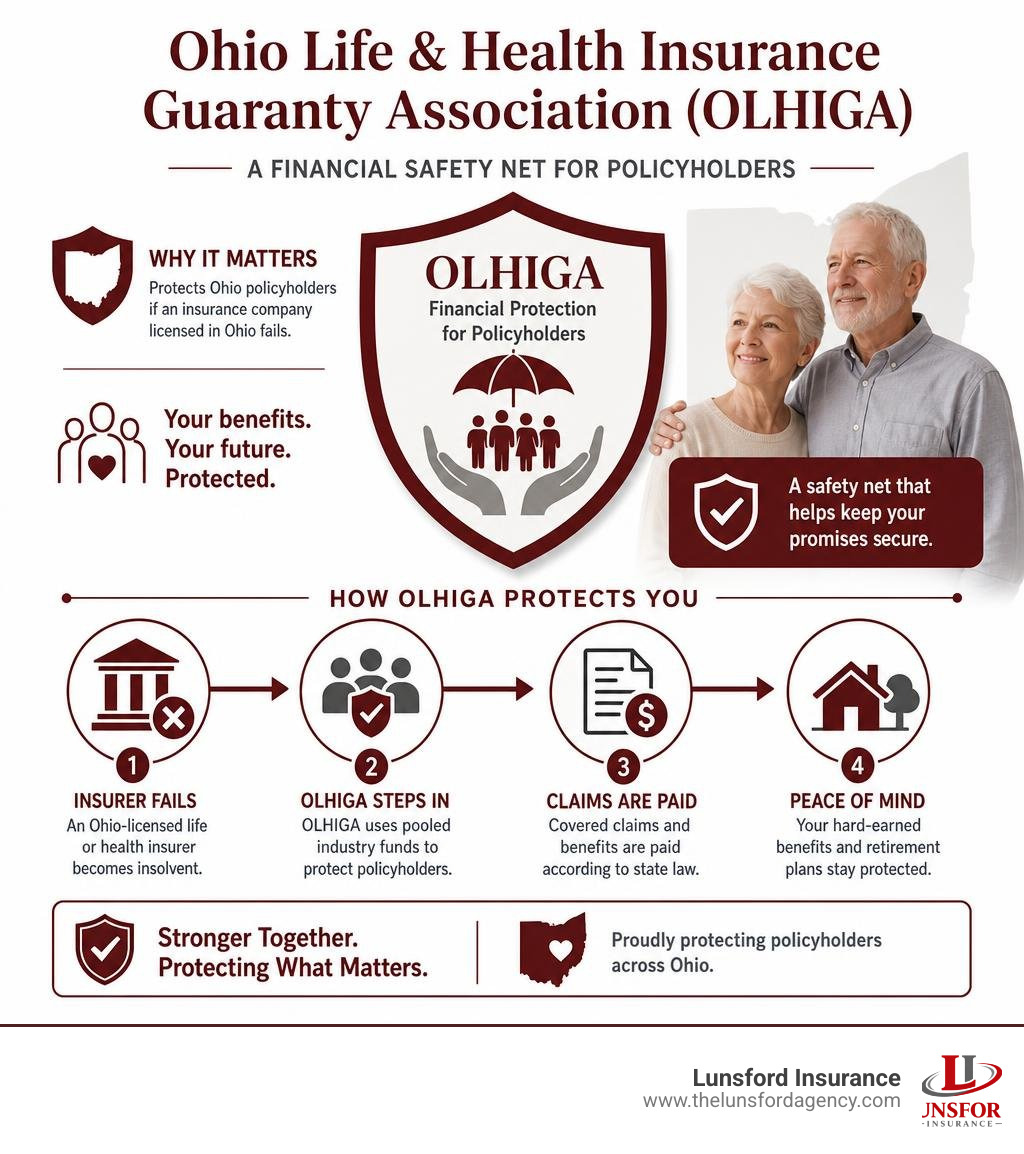
As you plan your housing transition, you may use annuities or life insurance policies to fund your care. It is reassuring to know that the Ohio Life & Health Insurance Guaranty Association (OLHIGA) serves as a financial safety net. If an insurance company licensed in Ohio fails, OLHIGA helps protect policyholders by continuing coverage or paying claims up to statutory limits (such as $300,000 for life insurance death benefits and $250,000 for annuity present value). For more on protecting your assets, explore Senior Life Insurance in Ohio.

How to Apply, Medicaid Waivers, and Local Resources
Navigating the application process for affordable senior housing in Ohio requires preparation and the right local support.
Required Documentation and How to Apply
To apply for low-income senior housing Ohio programs, you must gather essential documentation. This includes:
- Proof of age and identity (driver’s license or birth certificate).
- Social Security cards for all household members.
- Proof of income (Social Security benefit letters, pension statements, or bank statements).
- Asset verification (savings accounts, property deeds, or life insurance cash values).
To start the process, contact your local Public Housing Authority (PHA) or the specific housing communities you are interested in.
Medicaid Waivers and PASSPORT
For seniors who need long-term care but prefer to stay in a community setting rather than a nursing home, Ohio’s PASSPORT Medicaid waiver program is an excellent resource. PASSPORT provides in-home services, personal care, and meal delivery to eligible low-income seniors, helping them maintain independence in affordable senior housing.
Local Resources and Next Steps
Finding the right fit involves exploring local providers like Affordable Senior Living Solutions • Ohman Family Living. For personalized guidance, your regional Area Agency on Aging is the best starting point. They can help you navigate housing applications, assess your eligibility for PASSPORT, and coordinate local services.
Additionally, securing your financial foundation is a key part of this transition. You can review your coverage options by exploring Low-Cost Senior Life Insurance or Life Insurance in Ohio.
Conclusion and Next Steps
Securing affordable senior housing in Ohio requires proactive planning. To get started today:
- Contact your local Area Agency on Aging to discuss housing options and Medicaid waivers.
- Gather your documentation and begin applying to multiple housing community waitlists.
- Review your financial options and insurance policies to ensure your long-term care is fully funded.
Coverage, eligibility, and limits for insurance products depend on the specific product, situation, and Ohio regulations.